Saral Diagnostics 28 Sep, 2026 3 min readPathology
Anemia is a deficiency of haemoglobin in the body, and iron deficiency anemia is one of its major causes. Iron deficiency anemia (IDA) affects nearly 2 billion people worldwide.
It is especially common in children, women (especially those of child-bearing age) and the underprivileged.
Role of Iron in the Body
Iron is a component of haemoglobin, which has a major role in carrying oxygen to various parts of the body. Hence, iron deficiency anaemia can present with a variety of symptoms.
Symptoms
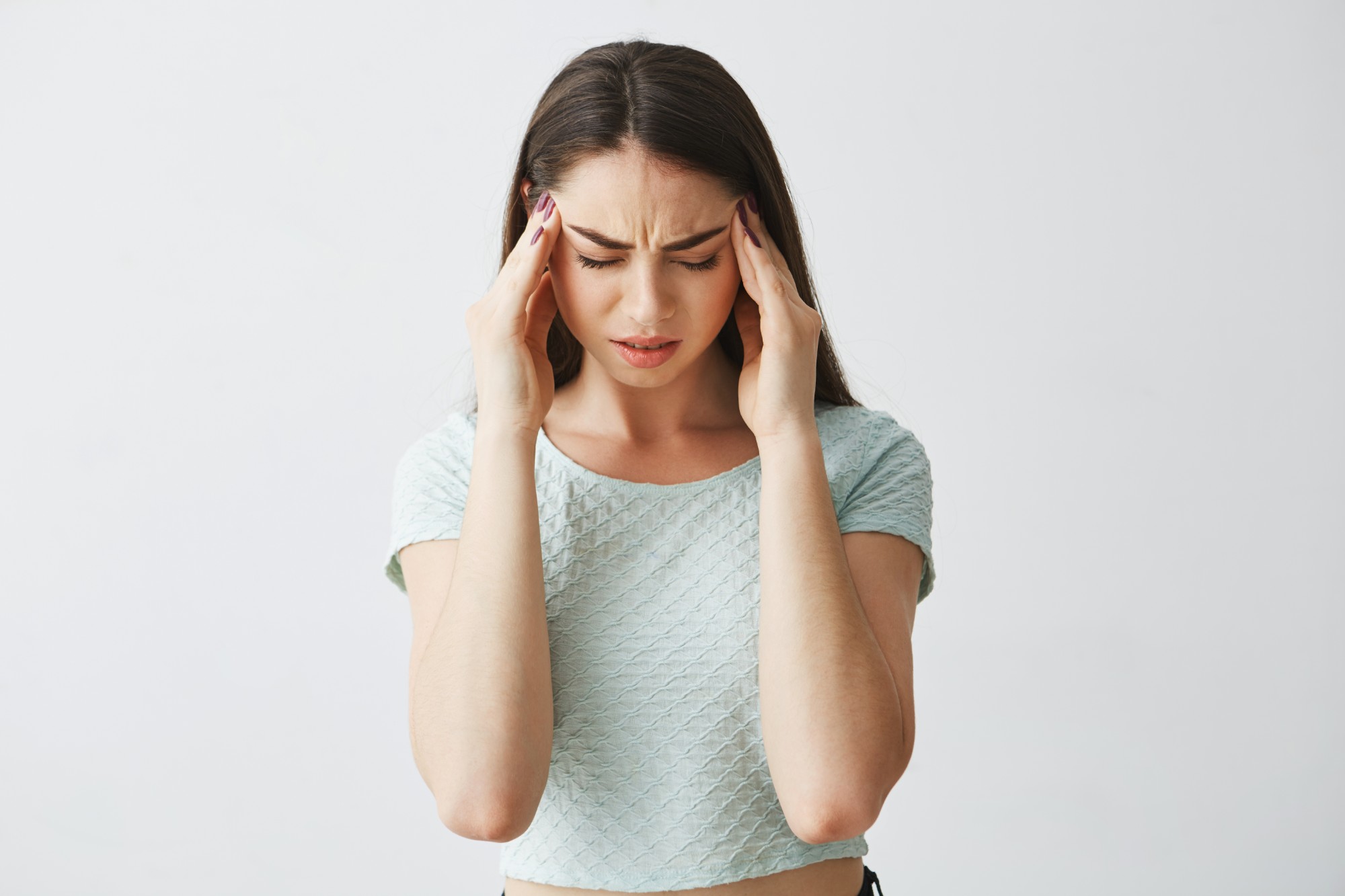
Fatigue, irritability, lack of concentration
Breathlessness, tachycardia
Hair loss, brittle nails
Pale skin
Restless legs
Pica
Causes of IDA
1. Increased iron demand
Infants
Pre-school children
Growth spurts in adolescents
Pregnancy
2. Decreased intake
Malnutrition, poverty
Poor iron content in diet
3. Decreased iron absorption
Cereal-based diets
Surgery of the stomach, such as a partial gastrectomy
Medical problems like H. pylori infection, coeliac disease, atrophic gastritis, IBD
Drug intake
4. Chronic blood loss
Physiological:
Menstruation
Frequent blood donation
Pathological:
GI tract: worm infestation, erosive gastritis, peptic ulcer, GI cancers, haemorrhoids, IBD
Genito-urinary: menorrhagia
Systemic: dialysis, inherited coagulopathies
Drug intake: salicylates, NSAIDs, anticoagulants, corticosteroids
5. Inflammation
Chronic kidney disease
IBD
Autoimmune disease
Post-operatively
How Do We Diagnose IDA?
CBC with peripheral smear examination is important to look for the type of anemia. Haemoglobin levels can vary according to age and sex. RBC indices like MCV, MCH, MCHC and RDW are important parameters in the diagnosis of IDA. The Mentzer index is generally >13 in IDA.
Iron studies include the measurement of iron, UIBC, TIBC, % saturation and ferritin. This not only tells us about iron levels in the blood but also about iron stores.
Additional tests like HPLC and reticulocyte count help to distinguish between iron deficiency anemia and haemoglobinopathies.
Tests to find the underlying cause of anemia.
Patient → Diagnose → Treat → Follow-up.
Treatment
Treatment may include:
Iron supplements
Intravenous iron
Dietary modifications
Treatment for underlying conditions
Dietary Counselling
Dietary counselling may include guidance regarding:
Iron-rich foods
Red meat (pork, lamb, organ meats such as liver)
Poultry (chicken, turkey, duck)
Fish
Leafy greens: broccoli, kale, turnip greens
Iron-rich grains
Legumes
Fortified cereals
Dried fruits like apricots and raisins
Foods that enhance the absorption of iron
Vitamin C-rich foods like orange, kiwi, strawberries and bell peppers
Cooking in cast-iron cookware
Include foods rich in vitamin B12 and folate
Foods to avoid with iron-rich foods
Tea and coffee, which contain tannins that inhibit the absorption of iron
Calcium-rich foods like milk and cheese
References
American Society of Hematology
Indian Society of Haematology and Blood Transfusion
Iron deficiency and iron deficiency anemia: a comprehensive overview of established and emerging concepts.
Iron Deficiency Anemia: Etiology, Pathology, Diagnosis and Treatment. Journal of Drug Delivery & Therapeutics, 14(11): 185–199, November 2024.
ShareCopied
Not sure which test to book?
Talk to our team — we'll guide you to the right diagnostic service in minutes.
We use essential cookies to make this site work. With your consent we
also use analytics and marketing cookies to improve the site and our
services. You can change your choice anytime. See our
Privacy Policy and
Cookie Policy.
EssentialRequired for the site to function. Always on.
AnalyticsHelp us understand how the site is used.
MarketingUsed to measure and improve our campaigns.