

Telephone Whatsapp
NABH Accredited NABL Accredited ISO Certified

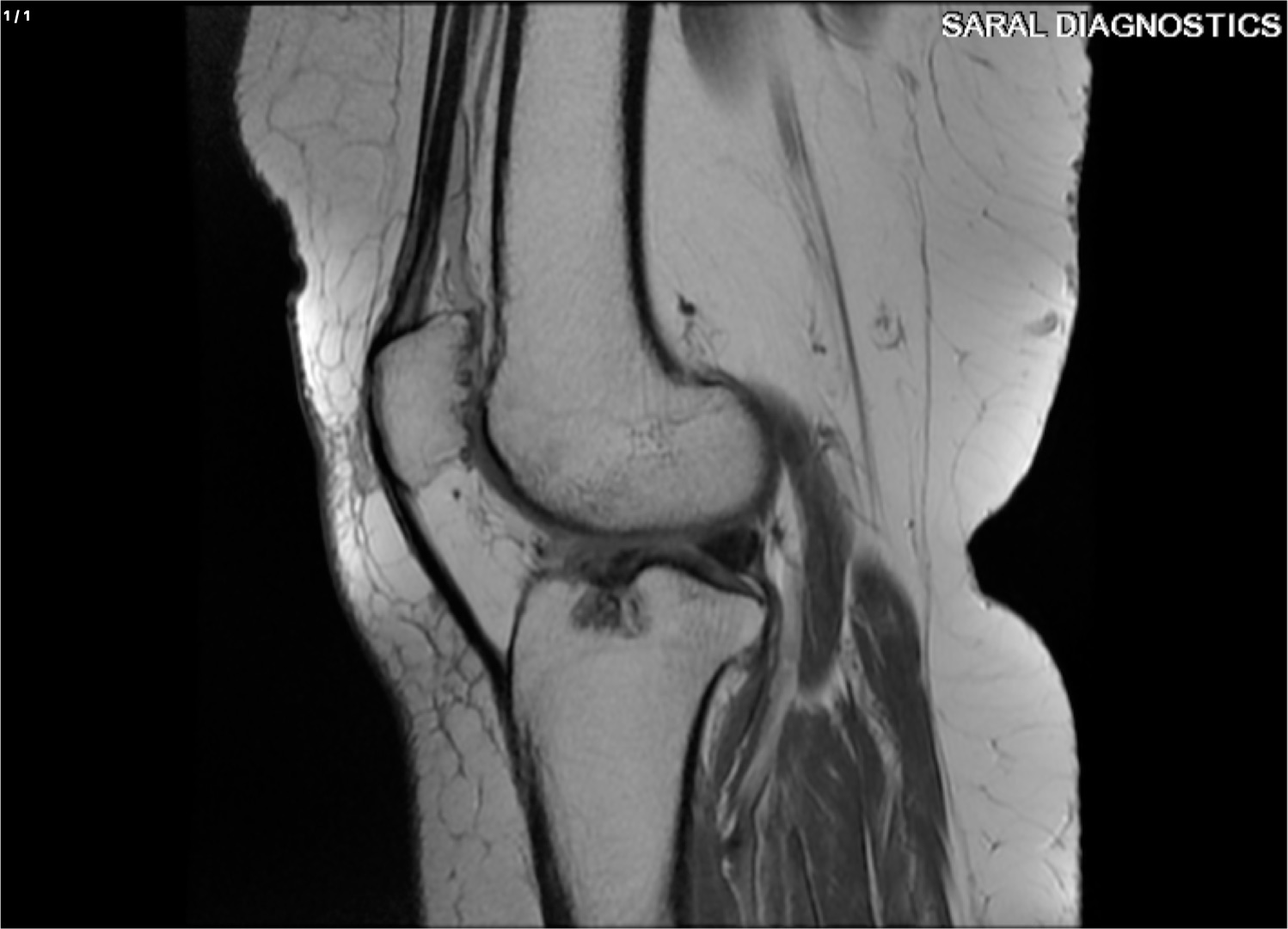
Knee left with lower thigh

MRI

Knee left with lower thigh

Also Known As: MRI KNEE WITH LOWER FEMUR
₹13,500
Enquire Now
Detailed pictures of the knee joint and the lower part of the thigh. It shows the bones, cartilage, menisci, ligaments, tendons, muscles, and nearby soft tissues.This type of MRI is done when someone has knee pain, swelling, locking, or difficulty walking. Including the lower thigh helps give a fuller view of important structures like the quadriceps tendon, lower thigh muscles, and the upper part of the femur. This makes it easier to detect injuries such as meniscus tears, ligament damage (like ACL or MCL tears), muscle strains, inflammation, fractures, or signs of arthritis.
Home Collection
Not Available
Report TAT
1 Day
Category
MRI

Fasting is not mandatory except for  un-coperative patients where sedation may be needed ( 4-6 hours fasting) Prior appointment desirable. Non MR compatible Pacemaker .For contrast administration (CEMR) renal status to be assesed. Please bring latest reports of blood urea and creatinine (if available). Please bring along the prescription , all previous records & investigation reports (including images & soft copies, if any

Knee left with lower thigh
1. What is MRI scan?
ANS: It uses magnets and radio waves to create detailed body images.
2.What are pre-requisites?
ANS: No prepartion & no fasting required & bring old records.
3. What is MRI Knee left with lower thigh ?
ANS: To produce detailed images of the knee joint and the adjacent upper portion of the lower thigh. This allows doctors to evaluate not only the knee joint but also the muscles, tendons, ligaments, and soft tissues just above the knee, which can affect knee function.
to evaluate:
- Knee pain, swelling, or stiffness
- Injuries involving ligaments, menisci, or tendons extending into the lower thigh
- Muscle or soft tissue injuries just above the knee
- Cartilage damage or degenerative changes
- Bone injuries, stress fractures, or tumors
- Inflammatory conditions (bursitis, synovitis)
4. If contrast study ?
ANS : latest eGFR / creatinine report (within 1 month) is required.
5. Is MRI safe?
ANS: Yes. MRI does not use radiation. It is generally very safe. However, patients with certain metal implants or devices may not be eligible.
6. How long does it take?
ANS : 30–40 minutes depending on the area.
7. What if I am claustrophobic?
ANS: Inform the staff beforehand. Options include: Mild sedation.
8. Is an any attandend required ?
ANS : Yes, attendend is required for any invasive procedure or IV sedation.
7. Is the machine noisy?
ANS: Yes, but ear protection is provided.
8. Do I need to lie completely still?
ANS: Yes, to get clear images.
9. If a pacemaker is implanted, can MRI done?
ANS: If you have a pacemaker, this test may or may not be possible. Some modern pacemakers are MRI-compatible (MRI-conditional), while older ones are not. Always inform the doctor and MRI staff about your pacemaker before the scan.
10. Is an appointment required for MRI or not?
ANS : Appointment is preferably else you will rare to wait for your turn.

The Turnaround Time (TAT) depends on the following factors:

  • Registration date and time
  • Type of scan or test
  • Scan time or sample collection time

In uncommon circumstances, TAT may be delayed due to test complexity or reasons beyond our control. You will be informed of the estimated TAT at the time of registration.

Not sure which test to book?

Talk to our team — we'll guide you to the right diagnostic service in minutes.